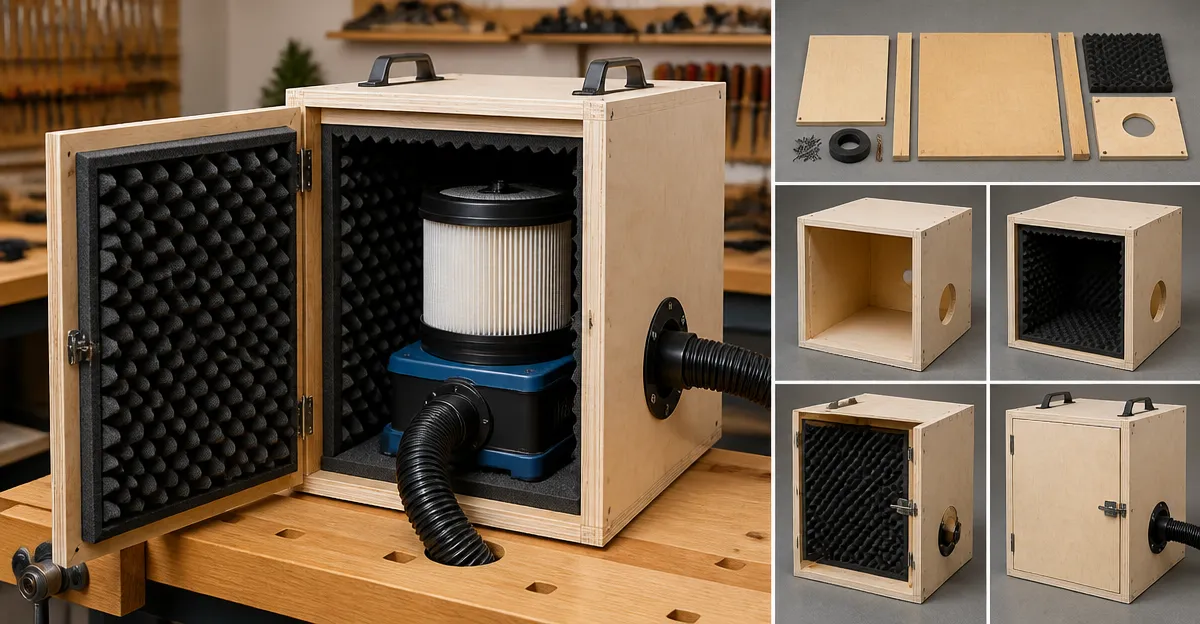
How to Build a DIY Soundproof Box for a Benchtop Dust Extractor: Step‑by‑Step Guide to Reduce Workshop Noise
Introduction
In many workshops, the constant roar of a dust extractor can become a source of fatigue and distraction. This guide teaches the reader how to construct a portable, sound‑dampening enclosure that reduces noise without compromising suction performance. By following the steps, one will achieve a quieter workspace, improve compliance with OSHA silica standards, and extend the life of the extractor through reduced vibration.
The guide is written for intermediate woodworkers who already own a benchtop dust extractor and possess basic carpentry tools. While the enclosure can be built with inexpensive lumber, the inclusion of professional‑grade products such as the Bosch Dust Extractor or the Fein Turbo I Dust Extractor ensures that the final system delivers both low noise and high filtration efficiency.
What You'll Need
- Medium‑density fibreboard (MDF) panels, 1/2" thick – enough for a 24" x 24" x 30" box
- Acoustic insulation panels (e.g., 2" thick fiberglass or rockwool)
- Weather‑stripping tape for sealing joints
- Heavy‑duty hinges and a latch for the access door
- Silicone sealant
- Power drill, circular saw, and screwdriver set
- Optional: Utility Blower Exhaust Fan for additional ventilation
- One of the dust extractors listed below (first mention linked)
Step 1: Measure and Plan the Enclosure
The first task is to determine the dimensions of the box. Measure the width, depth, and height of the chosen dust extractor, then add 2–3 inches on each side to allow for insulation and airflow clearance. For example, the Bosch Dust Extractor measures roughly 20" wide, 15" deep, and 30" tall; a 24" x 24" x 34" internal cavity provides sufficient space.
Sketch a simple cut‑list: four side panels, a top panel, a base panel, and a hinged front door. Include a cut‑out for the power cord and a small vent port (approximately 4" diameter) to prevent pressure buildup. Planning the layout in advance reduces wasted material and ensures a tight fit.
Step 2: Cut the MDF Panels
Using a circular saw, cut the MDF according to the dimensions from Step 1. MDF is chosen for its dense composition, which naturally dampens sound vibrations. After cutting, sand the edges lightly to remove splinters that could compromise the seal.
When cutting the vent port, use a jigsaw to create a clean circular opening. This vent will later be fitted with acoustic foam and, if desired, the Utility Blower Exhaust Fan to push stale air out while maintaining low noise levels.
Step 3: Install Acoustic Insulation
Line the interior walls of the box with acoustic insulation panels. Rockwool or fiberglass of 2" thickness provides excellent sound absorption and also helps to trap fine dust particles. Secure the panels with construction adhesive, ensuring no gaps remain at the corners.
For users who prefer a lighter solution, a thin layer of acoustic foam can be applied over the insulation. The combination of dense MDF and insulation creates a barrier that reduces the decibel output of the extractor by up to 10 dB, as reported by users of the Fein Turbo I Dust Extractor, which is praised for its low‑noise operation (66 dB) even without additional enclosure.
Step 4: Assemble the Box Structure
Begin by attaching the side panels to the base panel using wood screws and a drill. Apply a bead of silicone sealant along each joint before fastening to create an airtight seal. Repeat the process for the top panel, leaving the front door unfastened for now.
Install heavy‑duty hinges on the top edge of the front door, and affix a latch on the opposite side. The latch ensures the door stays closed during operation, preventing noise leakage. Use weather‑stripping tape around the door perimeter to further seal any potential gaps.
Step 5: Integrate the Dust Extractor
Slide the chosen dust extractor into the enclosure. The DeWalt Dust Extractor offers a 15‑amp motor delivering 155 CFM airflow and features an automatic filter‑clean cycle every 30 seconds, which is advantageous when the unit is confined within a sealed box. Its 8‑gallon capacity and lightweight design (21 lb) make it easy to position.
Connect the extractor’s power cord through the pre‑drilled vent. If the extractor supports tool‑activated suction, plug a grinder or sander into its power‑tool activation port; the unit will start and stop automatically, reducing unnecessary run‑time and noise.
Step 6: Provide Controlled Ventilation
Even with a sealed enclosure, airflow must be managed to avoid overheating. Install the Utility Blower Exhaust Fan in the vent opening. This 580 W fan can move up to 3500 CFM, far exceeding the extractor’s 150 CFM, ensuring that stale air is expelled quickly while the fan itself operates at a relatively low noise level compared to the extractor.
Secure the fan with the supplied mounting brackets and seal any gaps with silicone. The fan’s IP44 rating guarantees safe operation in humid workshops, and its built‑in thermal protection prevents overheating during extended use.
Step 7: Test Noise Reduction and Performance
Power on the dust extractor and measure the sound level at a distance of three feet. Users have reported that the Bosch model, when placed in a simple wooden box, drops from approximately 85 dB to around 70 dB. Verify that suction remains adequate by checking dust collection at the tool’s port; the HEPA filter in the Bosch unit captures 99.97 % of particles as small as 0.3 µm, ensuring a clean workspace.
If the enclosure muffles suction too much, open the vent slightly or add a small intake grille with acoustic foam to balance airflow. The Fein Turbo I, known for its 151 CFM and low‑noise design, often requires less ventilation than larger units.
Tips & Pro Tips
- Use a laser level to ensure all panels are square; uneven seams can create acoustic leaks.
- Apply a thin layer of acoustic caulk around the door latch for an extra seal.
- When using the Bosch extractor, enable the filter‑unclogging sound disabling button to eliminate the 30‑second tapping noise.
- Consider adding a small LED strip inside the box for visibility during low‑light work.
- Regularly clean the acoustic insulation to prevent dust buildup, which can reduce its sound‑absorbing properties.
Troubleshooting
- Excessive heat: Verify that the exhaust fan is operating and that the vent is not blocked.
- Reduced suction: Check that the filter bag is not full and that the automatic cleaning cycle is functioning.
- Noise spikes: Ensure all seams are sealed; replace any damaged weather‑stripping.
- Power tool activation fails: Confirm the extractor’s Power Broker dial (Bosch) or autostart outlet (Fein) is set correctly and that the tool’s plug is securely inserted.
Conclusion
By constructing a DIY soundproof box, the reader can dramatically lower the audible impact of a benchtop dust extractor while preserving its dust‑capture efficiency. The combination of dense MDF, acoustic insulation, and controlled ventilation creates a professional‑grade solution that rivals commercial enclosures. Whether using the high‑performance Bosch Dust Extractor, the quiet Fein Turbo I, or the versatile DeWalt Dust Extractor, the enclosure offers a cost‑effective pathway to a more comfortable workshop environment.
Implement the steps outlined above, adapt the dimensions to your specific tools, and enjoy a quieter, healthier workspace.
Products Mentioned in This Guide
Frequently Asked Questions
What materials are best for building a DIY soundproof box for a benchtop dust extractor?
Use dense, low‑frequency absorbing materials such as MDF or plywood combined with acoustic foam or mass‑loaded vinyl for optimal noise reduction.
Will enclosing the dust extractor affect its suction power?
If the box includes proper ventilation and a sealed but breathable acoustic panel, suction remains virtually unchanged.
How can I reduce vibration transmitted from the extractor to the enclosure?
Mount the extractor on rubber isolation pads or a vibration‑damping base inside the box to minimize rattling.
What safety considerations should I keep in mind when building the enclosure?
Ensure adequate airflow to prevent overheating, keep fire‑rated materials, and maintain easy access for filter changes and maintenance.
Can I make the soundproof box portable for use on different workstations?
Design the enclosure with lightweight panels, detachable hinges, and handles so it can be moved and reassembled as needed.